

























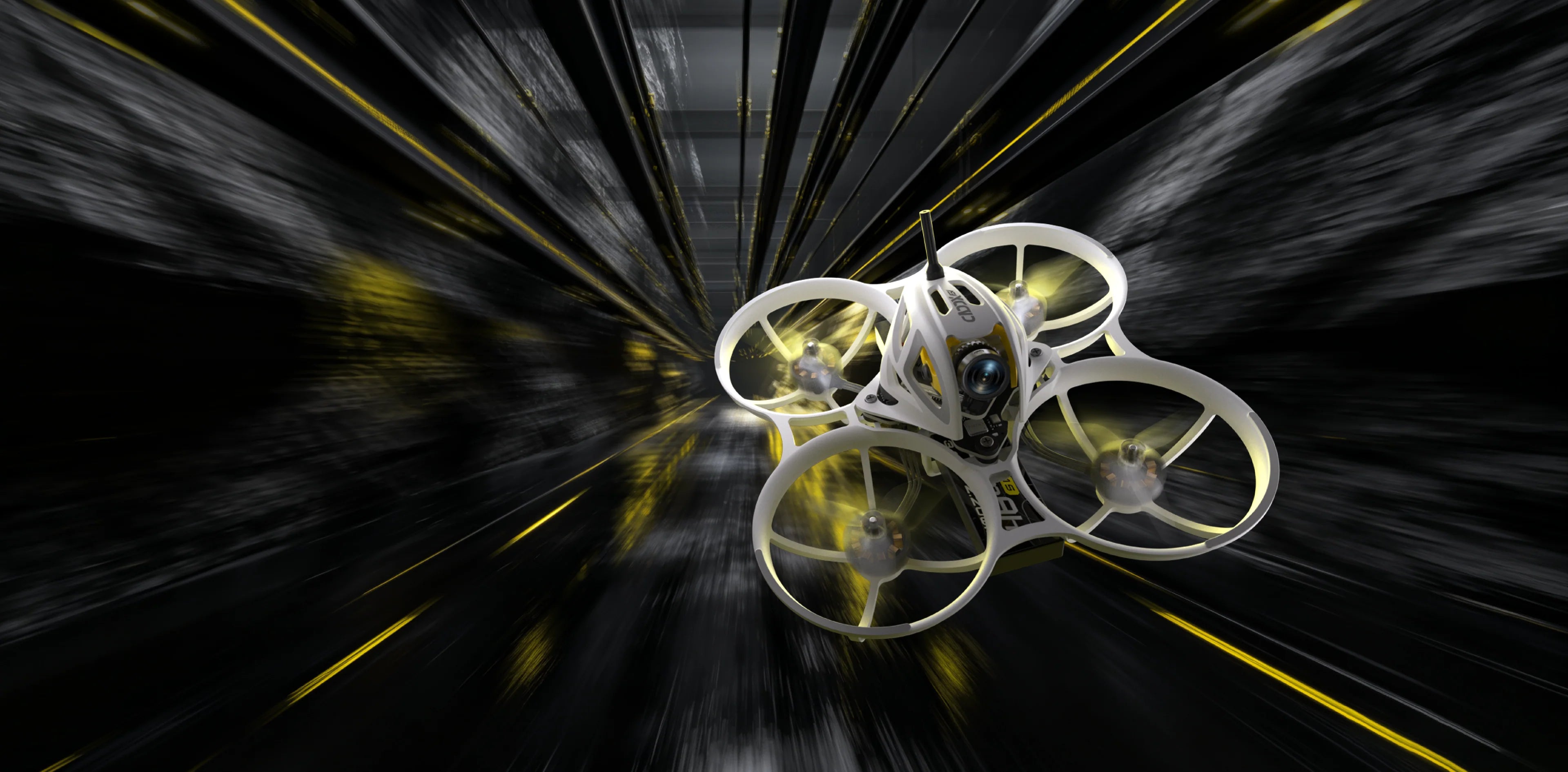
If you’re new to FPV, you’ve probably had this experience before: you open a forum, check a group chat, or browse a product page, and suddenly you’re surrounded by terms like RTF, BNF, PNP, VTX, ELRS, 4-in-1...You recognize every letter, but put them together and it feels like a completely different language.
This is the first article in our FPV Jargon Guide series. We’re starting with the basics: how to choose the right kit version when buying an FPV drone, what the core components of an FPV setup are, and what those flight-controller and tuning terms actually mean.
Get these three groups of abbreviations down, and you’ll already understand roughly 80% of what you’ll come across when buying or building an FPV drone.
一. First Things First: Which Kit Version Should You Buy?
Kit Versions
| Abbreviation | Full Name | What It Means | Best For |
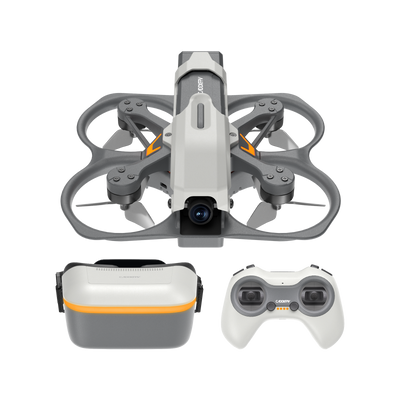
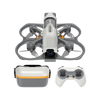
| RTF | Ready to Fly | The most complete package. It usually includes the drone, radio transmitter, and receiver, and may also come with FPV goggles, batteries, a charger, and other accessories. | Beginners starting from scratch who want everything in one package |
| BNF | Bind and Fly | The drone is already assembled and has a receiver installed, but it usually does not include a radio transmitter. You’ll need a compatible radio using the correct protocol to bind to it. | Pilots who already own a radio |
| PNP | Plug and Play | A power-system package without a radio, video system, or receiver. Install your own receiver, bind it, and the drone is ready to fly. | Pilots who already have a radio and want to choose their own receiver protocol |
| ARF | Almost Ready to Fly | Almost a bare airframe. The frame and power system may already be included, but components such as the flight controller, video system, and receiver still need to be installed and configured by the user. | Experienced pilots and DIY builders |
Easy Way to Remember

二. Core FPV Hardware Abbreviations
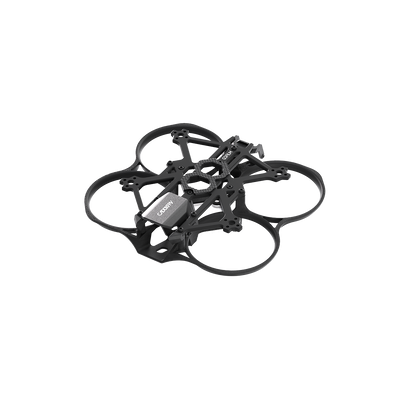
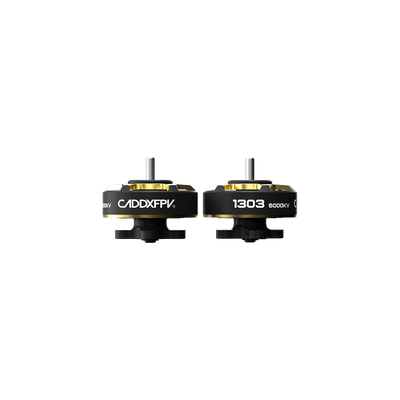
A typical FPV drone is built around a few key components: the flight controller, ESC, motors, radio receiver, and FPV video system.
1. Flight Controller & ESC
FC — Flight Controller
The FC is basically the brain of the drone.It receives commands from the radio, reads sensor data, and controls motor speed.
Common flight-controller processors include F4, F7, and H7.
Generally speaking, the more powerful the processor, the more features and processing capability it can support.
ESC — Electronic Speed Controller
The ESC is what actually drives the motors.
The flight controller sends the commands, and the ESC controls the motor speed accordingly.
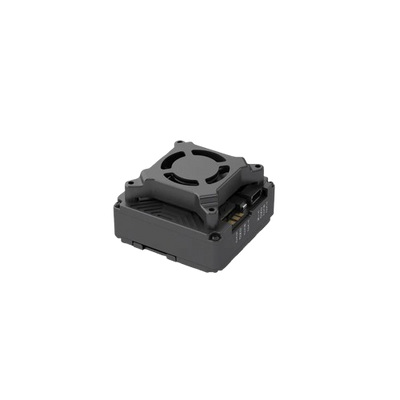
4-in-1 ESC
A 4-in-1 ESC integrates the ESCs for all four motors onto a single board.
It is now one of the most common solutions used in FPV drones because it saves space and keeps the wiring clean.
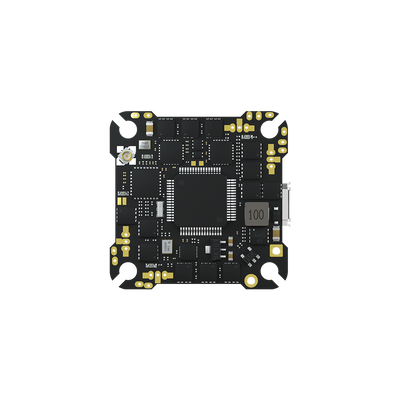
AIO — All-in-One
An AIO board combines the flight controller and ESC on a single board. Some designs may also integrate the video system.
AIO boards are commonly used in smaller FPV drones and toothpick-style builds.
Stack
A stack is a vertically mounted flight-controller and ESC combination, with the boards layered on top of each other and separated by standoffs.
This is one of the most common layouts used on 5-inch FPV drones.

2. Video System & Camera
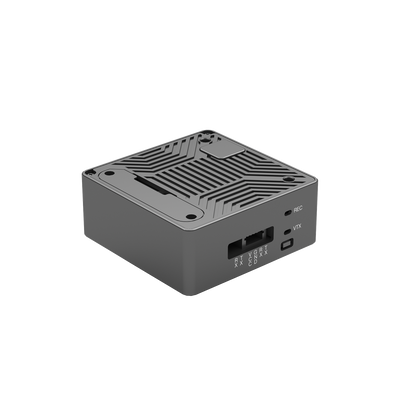
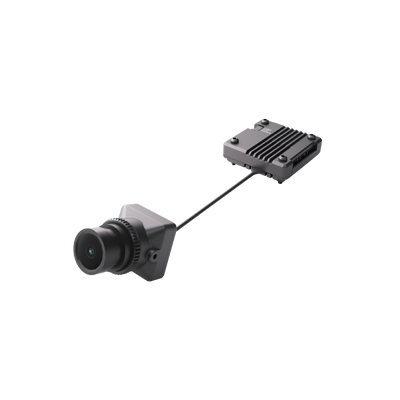
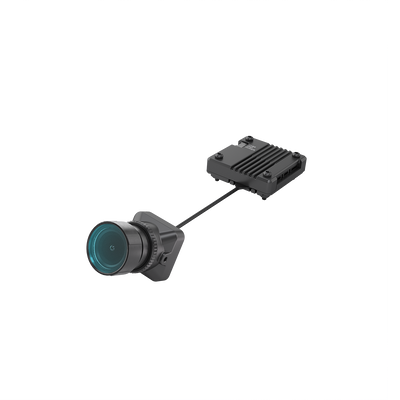
VTX — Video Transmitter
The VTX is the video transmitter.
It sends the camera feed back to your FPV goggles in real time.
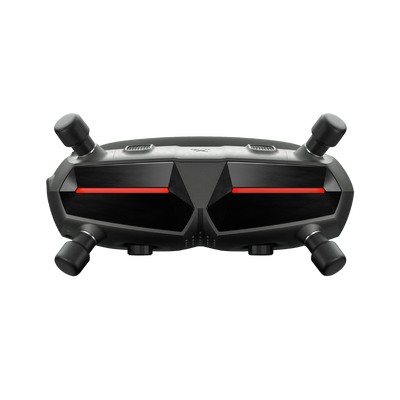
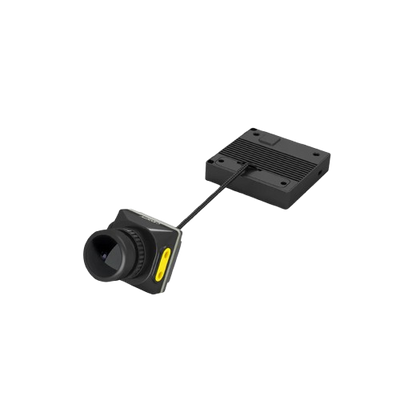
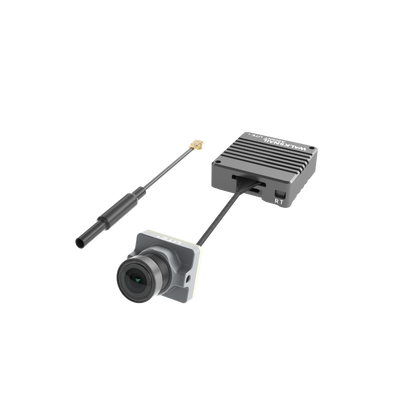
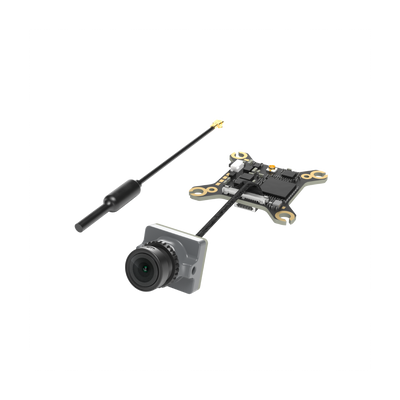
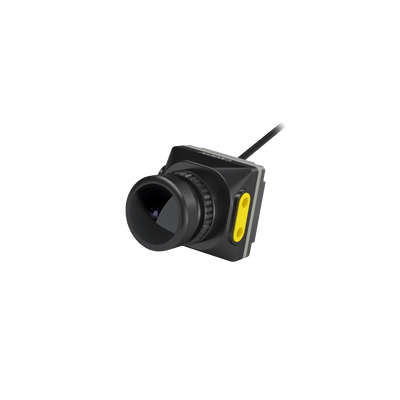
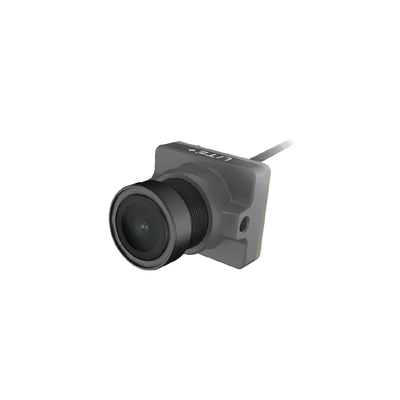
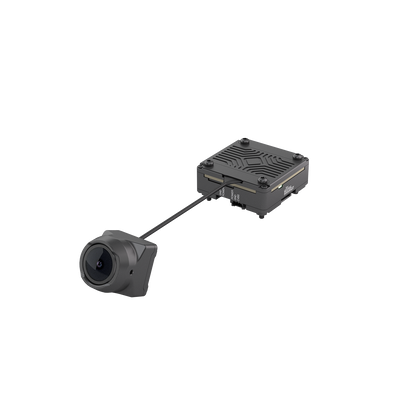
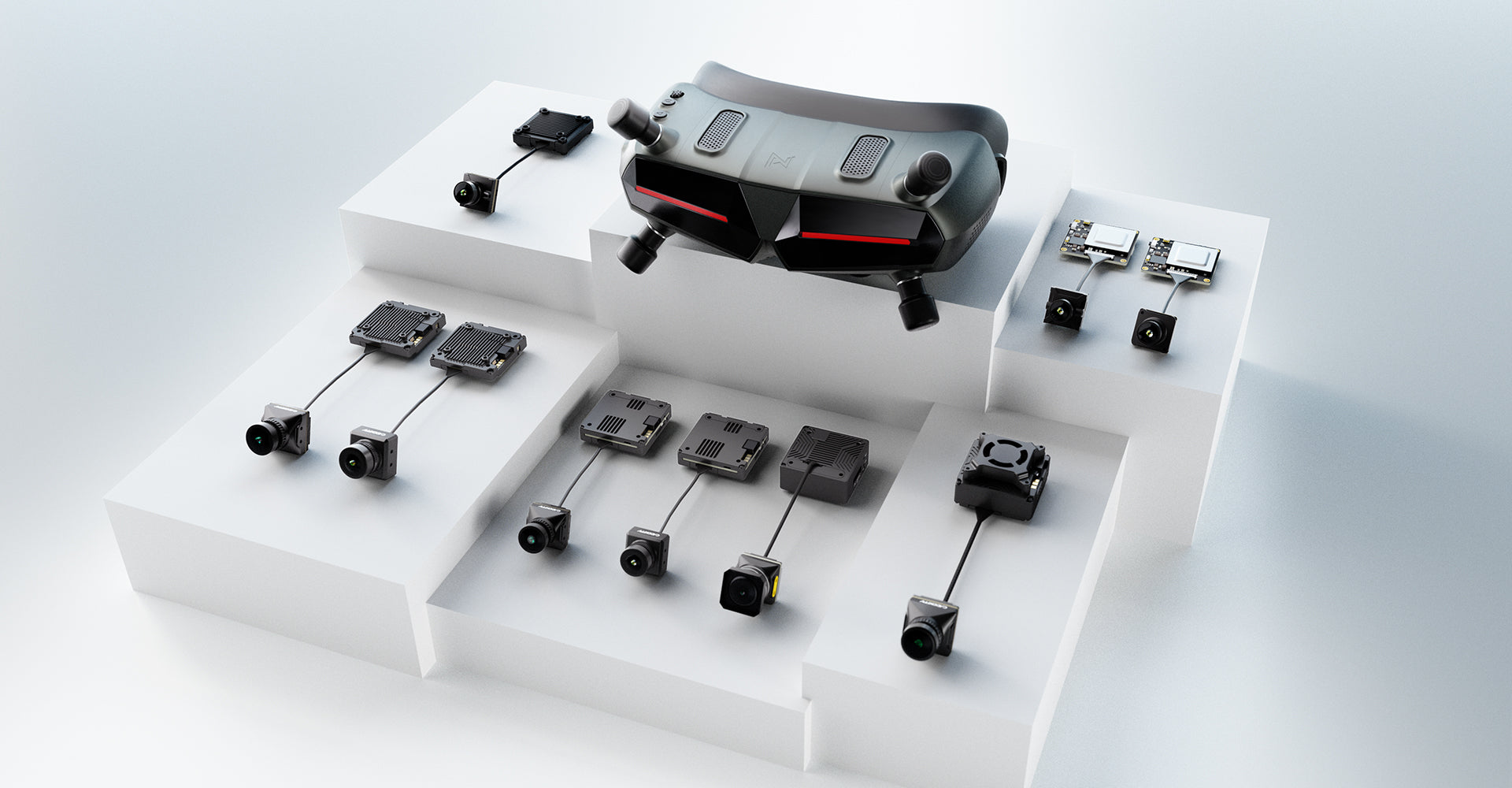
Digital FPV systems such as the CADDX Walksnail Avatar HD Kit support 1080p/60fps HD video transmission.
Analog video systems are still commonly used for racing because of their low latency, lower cost, and lower replacement cost after a crash.
CAM — Camera
The CAM is the onboard FPV camera.
FPV drones typically use dedicated wide-angle, low-latency cameras designed specifically for FPV flying.
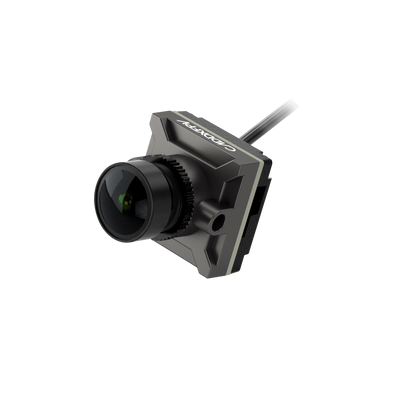
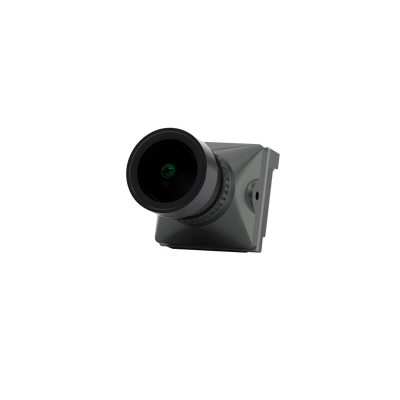
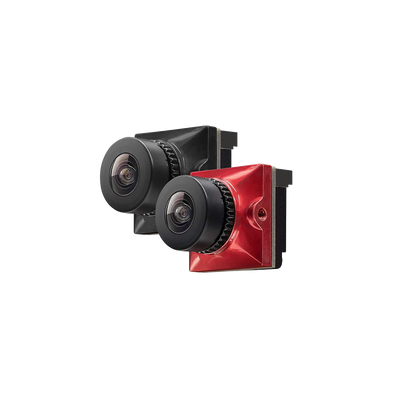
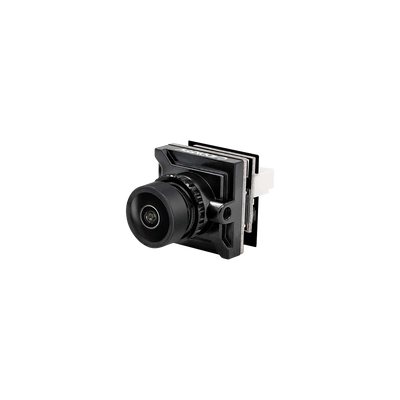
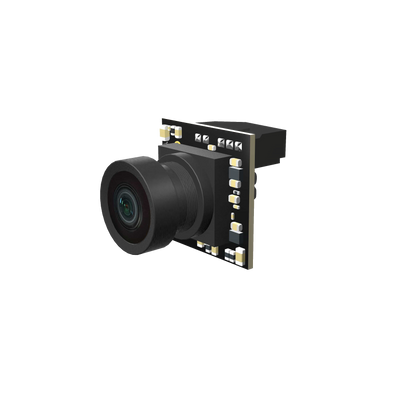
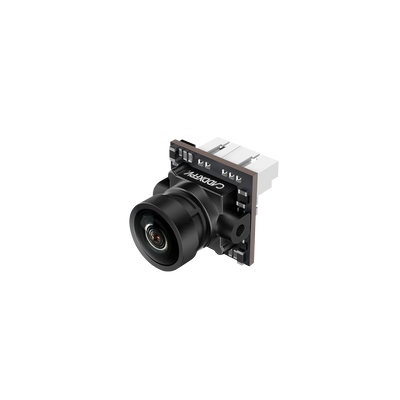
The CADDX Ratel 2 and Ratel Pro are popular analog FPV cameras, known for low latency and high dynamic range.
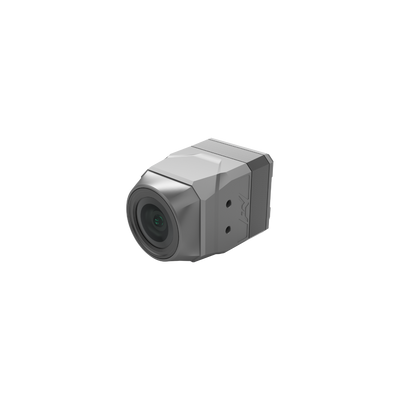
Digital FPV systems use dedicated cameras designed for platforms such as Walksnail Avatar / Ascent.
DVR — Digital Video Recorder
DVR refers to recorded flight footage captured by the video system or FPV goggles.
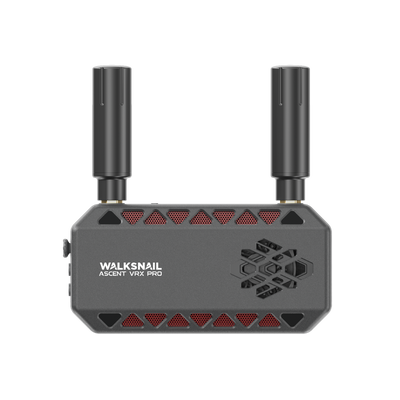
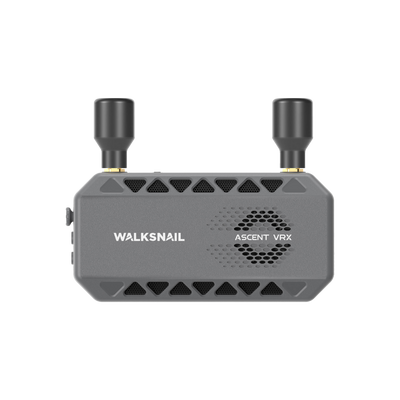
The Walksnail Avatar / Ascent systems support DVR recording directly on the goggles, allowing pilots to review their flight footage immediately after flying.

3. Radio Control Link
RX — Receiver
The receiver is installed on the drone.
It receives commands from the radio transmitter and passes them to the flight controller.
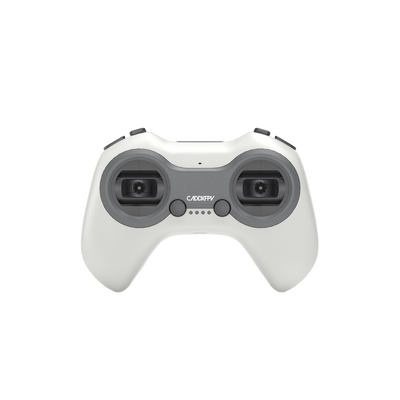
TX — Transmitter
The transmitter sends the control signal.
In other words, it’s the radio controller in your hands.
RSSI — Received Signal Strength Indicator
RSSI indicates signal strength.
A lower reading means a weaker control signal, so you need to be more cautious about losing the link.
LQ — Link Quality
LQ stands for Link Quality.
It is a more accurate indicator of radio-link quality than RSSI and is commonly used with ELRS systems.
Telemetry
Telemetry allows the drone to send information such as battery voltage, distance, and speed back to the radio for display.
4. Power
BEC — Battery Eliminator Circuit
A BEC is a voltage-regulation module.
It steps the battery voltage down to levels such as 5V or 9V to power components like the flight controller, video system, and receiver.
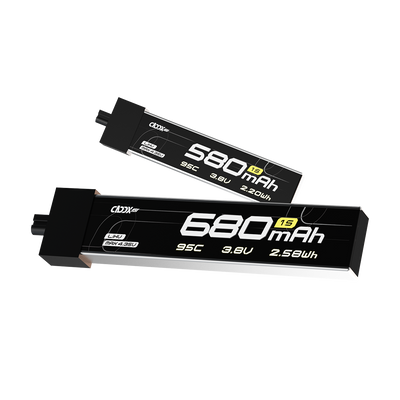
LiPo — Lithium Polymer
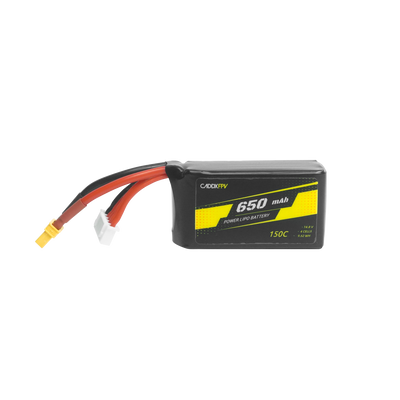
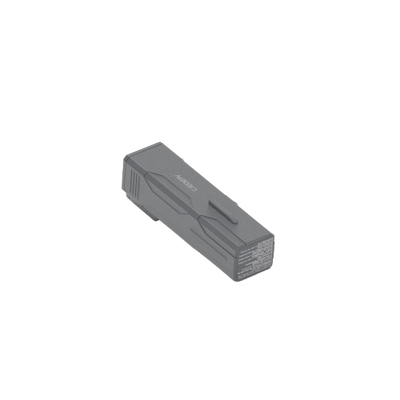
LiPo stands for Lithium Polymer battery, the most common type of battery used to power FPV drones.
S — Series
“S” refers to the number of battery cells connected in series.
For example:
4S = 4 cells in series, with a fully charged voltage of approximately 16.8V.
6S = 6 cells, with a fully charged voltage of approximately 25.2V.
The higher the S count, the higher the voltage and the stronger the power output. However, your electronics must also support the corresponding voltage.
HV — High Voltage
HV refers to a high-voltage lithium battery.
A fully charged HV cell reaches 4.35V, compared with 4.20V for a standard LiPo cell.
At the same cell count, HV batteries therefore run at slightly higher voltage and provide slightly stronger power output.

三. Flight Controller & Tuning: Terms You’ll See in the Settings
1. Flight Controller & Tuning
OSD — On-Screen Display
OSD overlays flight information directly onto your FPV video feed.
This can include:
- Battery voltage
- Flight time
- Speed
- Signal strength
That way, you don’t have to look down at your radio while flying.
The Walksnail Avatar video system supports OSD configuration through Betaflight, allowing information such as voltage, timer data, and RSSI to be displayed directly on the HD video feed.
PID — Proportional-Integral-Derivative
PID refers to the core control parameters the flight controller uses to manage the drone’s attitude.
Adjusting PID values changes things such as:
- How closely the drone follows your stick inputs
- Stability
- Oscillation and vibration
- Overall flight feel
For beginners, the default values are usually enough.
UART — Universal Asynchronous Receiver/Transmitter
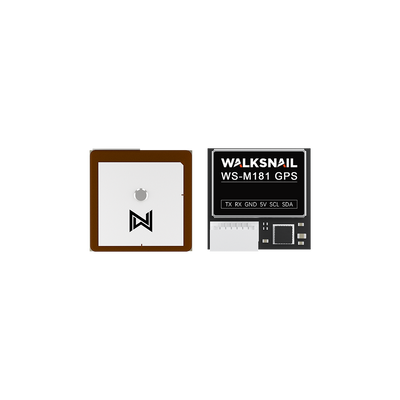
UART is a type of serial communication port.
On a flight controller, you’ll often see ports labeled UART1, UART2, and so on.
They are used to connect devices such as:
- Receivers
- GPS modules
- Video systems for configuration
I2C
I2C is another type of communication interface.
It is commonly used for devices such as:
- Compasses
- External sensors
2. Betaflight / INAV / Emuflight
These are different types of flight-controller firmware.
INAV is more focused on fixed-wing aircraft and long-range flying and commonly supports features such as GPS return-to-home.
Emuflight places more emphasis on the flight feel preferred by freestyle pilots.
BLHeli_S / BLHeli_32
These are types of ESC firmware.
BLHeli_32 is the 32-bit version and supports higher refresh rates and more tuning options.
四. Final
These are the three most basic groups of abbreviations you’ll come across in FPV.
Kit versions help you choose the right type of product when buying a drone.
Core hardware terms help you understand what’s included in a specification or component list.
Flight-controller and tuning terms help you understand how the drone’s “brain” works.
Once beginners understand these three groups, they’ll have a much better idea of what they’re buying and won’t feel lost when it comes time to build or set up a quad.



Leave a comment
All comments are moderated before being published.
This site is protected by hCaptcha and the hCaptcha Privacy Policy and Terms of Service apply.